Restorative Dentistry
What to Expect During a Dental Crown Appointment
A dental crown restores coverage and function to a weakened tooth. Here is how the appointment typically works, what determines the timeline, and how to care for your tooth afterward.
Published · Updated
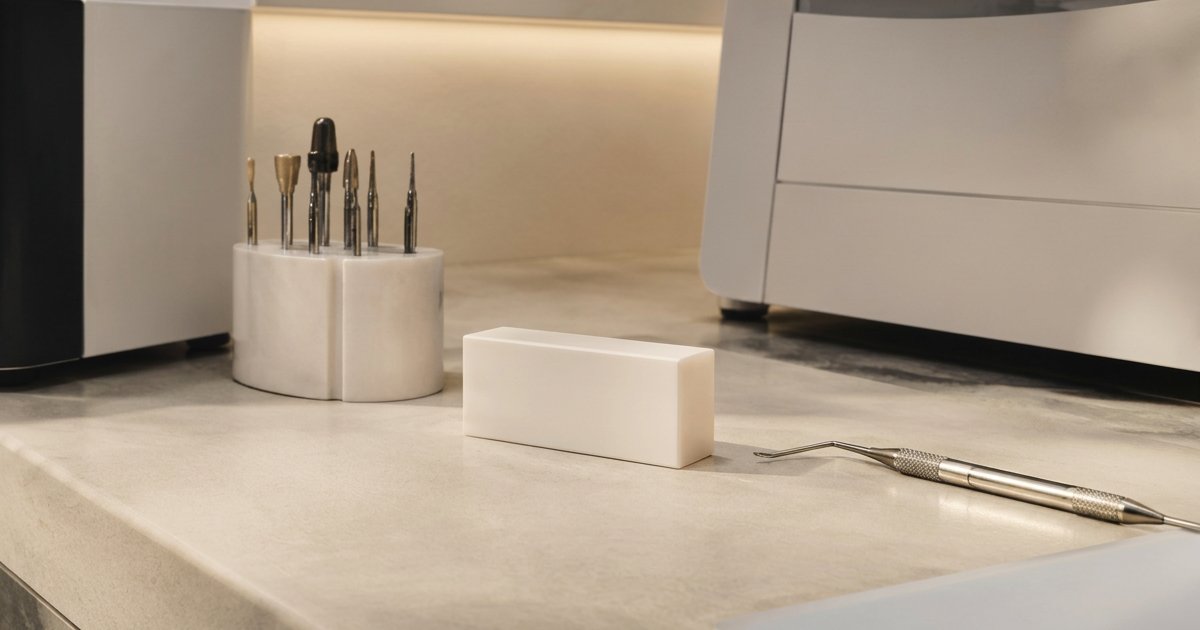
A dental crown is a custom-made restoration that covers a tooth to help restore its shape, strength, and function. Your dentist may recommend one when a tooth has extensive damage, a large filling with little tooth structure remaining, or needs protection after root canal treatment. A crown can also improve appearance, but protecting the tooth is often the primary goal.
If you are researching a dental crown procedure in Los Angeles, understanding the sequence can make the appointment feel more manageable. Treatment generally involves an examination, tooth preparation, a scan or impression, fabrication, and placement. You can book an evaluation with Dr. Coby Sheily DDS to discuss whether a crown fits your needs.
1. The Examination: Is a Crown the Right Choice?
Before planning a crown, the dentist examines the tooth, surrounding gums, existing restorations, and your bite. X-rays may be needed to assess decay, roots, and supporting bone. Describe any sensitivity, pain when chewing, previous injury, or nighttime clenching; these details can influence the plan.
A crown is not automatically the answer for every damaged tooth. Depending on the amount and location of damage, a tooth-colored filling, bonded repair, or partial-coverage restoration may preserve more natural tooth structure. These conservative options are not suitable for every tooth.
If the tooth's pulp—the tissue containing nerves and blood vessels—is infected or irreversibly inflamed, root canal treatment may be necessary before a crown. A tooth that cannot be predictably restored may require extraction instead. A crown alone does not treat an infection inside a tooth.
2. Planning the Material and Number of Visits
Crown materials include ceramics, metal alloys, and combinations of metal and porcelain. Selection depends on the tooth's location, appearance goals, biting forces, remaining tooth structure, and other clinical considerations. No material is ideal for every situation.
A laboratory-made crown typically involves a preparation appointment and a later placement appointment, with a temporary crown between visits. Some crowns can be designed and fabricated during one visit using a digital workflow, but same-day treatment is only an option when clinically appropriate and available.
If a shorter timeline matters to you, ask about same-day crowns during the evaluation rather than assuming your restoration can be completed immediately. Before treatment begins, request an explanation of the proposed material, expected visits, alternatives, and estimated costs.
3. Numbing and Preparing the Tooth
Local anesthesia is commonly used to keep preparation comfortable. You may notice pressure, vibration, and water spray, but tell the dental team if you feel pain so they can reassess your comfort.
The dentist removes decay and shapes the tooth to create room for the crown. This involves removing some natural tooth structure and is not reversible. When a tooth has lost substantial structure, a filling-like buildup may be needed to provide a suitable foundation.
How much preparation is necessary depends on the tooth's condition and the selected restoration. The goal is to create adequate space and support while preserving sound tooth structure where possible.
Tell the team about medications, allergies, medical conditions, and any concerns about dental treatment before the appointment. Ask whether you need specific instructions beforehand; do not stop prescribed medication on your own.
4. Digital Scanning or Impressions
After preparation, the dentist records the tooth's shape, neighboring teeth, and how the upper and lower teeth meet. Depending on the treatment workflow, this may involve an intraoral digital scanner or conventional impression material.
A digital scanner captures images that form a three-dimensional model. A conventional impression creates a physical record that can be used to make a model. Both approaches aim to provide the information needed for a crown that fits the prepared tooth and works with your bite.
For a tooth-colored crown, shade selection helps guide its appearance. Mention whitening plans before the final shade is chosen: whitening changes natural teeth, not crowns or other restorations.
Have questions about the sequence or your preferences? Schedule a crown consultation to review the options before committing to treatment.
5. Fabrication and the Temporary Crown
The scan or impression guides fabrication of the final crown. The restoration must account for the prepared tooth, neighboring contacts, bite, and appearance. Fabrication may take place through a dental laboratory or an appropriate in-office workflow; the method depends on the treatment plan and available resources.
When the final crown will be placed at another visit, a temporary crown generally protects the prepared tooth in the meantime. Temporaries are not intended to function as long-term restorations.
While wearing a temporary crown:
- Avoid sticky or very hard foods that could loosen or break it.
- Brush gently around the tooth and follow the team's flossing instructions.
- Contact the dental office if it comes off, breaks, or makes your bite feel uneven.
Do not use household glue to reattach a crown. Keep a dislodged crown and ask a dentist what to do next.
6. Checking and Placing the Final Crown
At placement, the dentist removes the temporary crown, if present, and checks the final restoration. This includes its fit at the tooth's edges, contacts with neighboring teeth, appearance, and how it meets the opposing teeth.
You may be asked to bite on marking paper to identify areas needing adjustment. Speak up if the tooth feels unusually tall or seems to touch first when you close.
Once the fit is acceptable, the crown is cemented or bonded using the appropriate technique. Follow the specific instructions about eating afterward, and avoid chewing while numb so you do not injure your cheek, lip, or tongue.
7. Aftercare and Symptoms That Need Attention
Some temporary gum tenderness or temperature sensitivity can occur. Symptoms should generally improve rather than intensify. If temporary pain medicine is needed, follow the product label and pharmacist's advice; medication does not correct an underlying dental problem.
Brush twice daily with fluoride toothpaste and clean between teeth daily. The crown cannot develop decay, but the natural tooth at its edge can. Regular dental visits help monitor the restoration and surrounding tissues.
Contact a dentist for persistent pain, worsening sensitivity, a loose crown, or a bite that feels high. Suspected abscess symptoms, such as swelling with significant tooth pain or drainage, need urgent dental evaluation. Do not try to pop swelling or take leftover antibiotics.
Trouble breathing or swallowing, rapidly spreading swelling, or uncontrolled bleeding requires 911 or an emergency department. Do not wait for weekend office hours.
8. Three Common Crown Questions
Does every crowned tooth need a root canal?
No. Many teeth receive crowns without root canal treatment. Root canal treatment addresses damaged or infected pulp; a crown restores and protects the tooth's outer structure.
Can I eat normally with a permanent crown?
Generally, yes, after following your placement instructions. Avoid chewing ice or hard objects, and report discomfort rather than repeatedly testing the tooth with hard foods.
How long will my crown last?
Crowns are not lifetime guarantees. Their longevity depends on oral hygiene, bite forces, decay risk, material, and habits such as grinding. Regular examinations help identify problems early.
A well-planned crown appointment starts with confirming that full coverage is necessary and ends with a comfortable bite and clear aftercare instructions. Understanding each step helps you make an informed decision and protect the natural tooth beneath the restoration.
Educational information, not a diagnosis or a substitute for an examination. Treatment suitability and outcomes vary.
Your Smile Deserves Thoughtful Care.
Experience personalized dentistry with Dr. Coby Sheily in Los Angeles.
Book an Appointment