Restorative Dentistry
Same-Day Dental Crowns in Los Angeles: How Digital Dentistry Works
Digital impressions and chairside milling can make a crown possible in one visit. Learn how the process works, what determines eligibility, and why some teeth need a different approach.
Published · Updated
A damaged tooth needs a restoration that fits well, protects the remaining structure, and feels comfortable when you bite. For some teeth, digital dentistry can deliver that restoration in one appointment rather than through a separate preparation and placement visit.
If you are researching same day dental crowns in Los Angeles, the key question is not simply how quickly a crown can be made. It is whether the tooth, material, and available workflow make a single-visit crown a sound choice. At Dr. Coby Sheily DDS, you can book an evaluation to discuss your needs. Same-day crowns are an option only when clinically appropriate and available.
1. What a dental crown does
A crown covers the prepared portion of a tooth above the gumline, restoring its shape and function. A dentist may recommend one when a large cavity, fracture, or existing filling leaves too little reliable tooth structure for a smaller restoration. Some teeth also need crowns after root canal treatment.
As the American Dental Association’s crown overview explains, crowns can strengthen and improve the appearance of damaged teeth. However, they do not make a tooth immune to decay or future damage.
“Same-day” describes the fabrication and placement schedule—not a separate diagnosis or a guarantee of better quality. Both digitally milled and laboratory-made crowns require careful preparation, accurate fit, and an appropriate bite.
2. How digital impressions work
Traditional impressions use a tray filled with impression material. A digital impression instead uses an intraoral scanner to capture images of the teeth and build a three-dimensional model.
For a crown, the dentist typically records:
- The prepared tooth and the edge where the crown will meet it.
- Nearby teeth, which help establish spacing and contact points.
- The opposing teeth and how the jaws come together.
Scanning can reduce the discomfort associated with impression trays, although the scanner still needs room to move around the mouth. Saliva, bleeding, and edges extending below the gumline can make accurate recording more difficult. Tissue management or a different impression approach may be necessary.
Importantly, a digital scan does not automatically mean a same-day crown. Digital impressions can also be sent to an outside dental laboratory.
3. From digital design to chairside milling
In a chairside system, design software helps create the crown’s shape from the scan. The dentist or trained team adjusts its contours, contact points, and relationship to the opposing teeth. Software supports that process; clinical judgment remains essential.
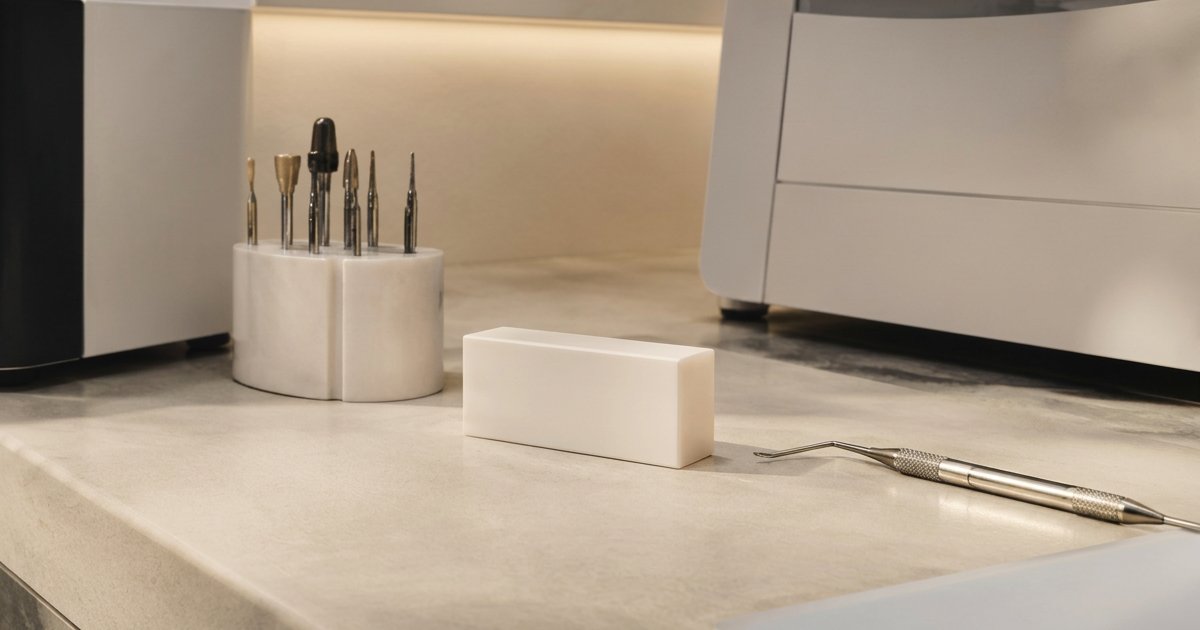
A milling unit then shapes the restoration from a block of dental restorative material, often ceramic. Depending on the material, additional firing, finishing, or polishing may be required before placement.
The dentist tries in the crown and checks its edges, neighboring contacts, appearance, and bite. Adjustments may be needed before it is bonded or cemented into place.
This describes how chairside digital dentistry works generally. It is not a statement that any particular scanner, mill, or ceramic system is owned by this practice. Our same-day crowns service information is a starting point for discussing clinical suitability and availability.
4. When a same-day crown may be appropriate
A same-day crown may work well when a tooth clearly needs full coverage, the remaining structure can support it, and its preparation can be recorded accurately. The selected material must also suit the tooth’s location, bite forces, and appearance requirements.
A favorable case generally allows the dentist to:
- Establish a clear diagnosis and predictable treatment plan.
- Remove decay and prepare the tooth without unresolved concerns.
- Keep the treatment area adequately controlled for scanning and cementation.
- Produce and verify a suitable restoration within the available appointment.
If your schedule makes fewer visits especially helpful, request a crown consultation and mention that preference. The evaluation should still determine the treatment—not the calendar. A single-visit appointment can involve several stages and waiting periods while the crown is fabricated.
5. Why some teeth need a different timeline
A laboratory-made crown or staged treatment may be preferable when a tooth has extensive damage, difficult-to-access margins, complex bite requirements, or demanding cosmetic needs. A laboratory may offer materials or customization better suited to a particular case.
Deep decay, a suspected crack, or symptoms involving the tooth’s pulp may also require further assessment before a final crown is placed. Some teeth need root canal treatment, gum treatment, or additional support first. Others cannot be predictably restored.
A conventional crown pathway usually involves a temporary crown while the laboratory makes the final restoration. That extra visit is not a sign of inferior care; it may be the most appropriate route.
If you suspect an abscess, seek urgent dental evaluation rather than waiting for a crown appointment. Trouble breathing or swallowing, rapidly spreading swelling, or uncontrolled bleeding requires calling 911 or going to an emergency department. Do not wait for weekend opening.
6. Alternatives to a full crown
A crown removes tooth structure to create room for the restoration, so it is worth asking whether a less extensive treatment could work.
A smaller cavity or limited fracture may be treatable with a tooth-colored filling. An inlay or onlay may restore a larger area while preserving more of the tooth than a full crown. Minor cosmetic defects sometimes respond to bonding rather than full coverage.
These conservative options are not suitable for everyone. Thin, cracked, or heavily weakened tooth walls may need more protection than a filling can provide. Conversely, a tooth that cannot be restored may require extraction and a separate discussion about replacement.
Ask: “What healthy tooth structure would each option preserve, and what are its limitations in my case?”
7. Three common questions about same-day crowns
Will I definitely leave with a permanent crown that day?
No. Same-day placement depends on the examination findings, material choice, and availability. Unexpected decay, difficulty obtaining an accurate scan, or an unsatisfactory fit can change the plan. A temporary restoration and follow-up may be safer than rushing completion.
Will the crown match my other teeth?
The dentist selects a shade and evaluates the crown’s shape and appearance. Some highly visible teeth benefit from additional laboratory customization. If you are considering whitening, discuss it before shade selection: whitening does not change the color of crowns or other restorations.
How do I look after the crown?
Follow the dentist’s instructions about eating after placement. Brush twice daily with fluoride toothpaste and clean between teeth daily. Avoid chewing ice or other hard objects, and discuss grinding or clenching. Contact the dentist if your bite feels high or pain persists or worsens.
8. Choosing the right crown, not just the fastest one
Digital impressions and chairside milling can make restorative care more convenient, but speed is only one part of a successful treatment plan. Diagnosis, tooth preservation, material selection, and careful fit remain the priorities.
Bring your questions about timing, appearance, alternatives, and maintenance to your evaluation. The most useful outcome is a clear explanation of whether a same-day crown is appropriate—and what the next-best option would be if it is not.
Educational information, not a diagnosis or a substitute for an examination. Treatment suitability and outcomes vary.
Your Smile Deserves Thoughtful Care.
Experience personalized dentistry with Dr. Coby Sheily in Los Angeles.
Book an Appointment