Emergency Dentistry
Weekend Emergency Dentist in Los Angeles: What Are Your Options?
Dental pain does not follow office hours. Understand your weekend care options, recognize symptoms that cannot wait, and learn what to do safely before a dental visit.
Published · Updated
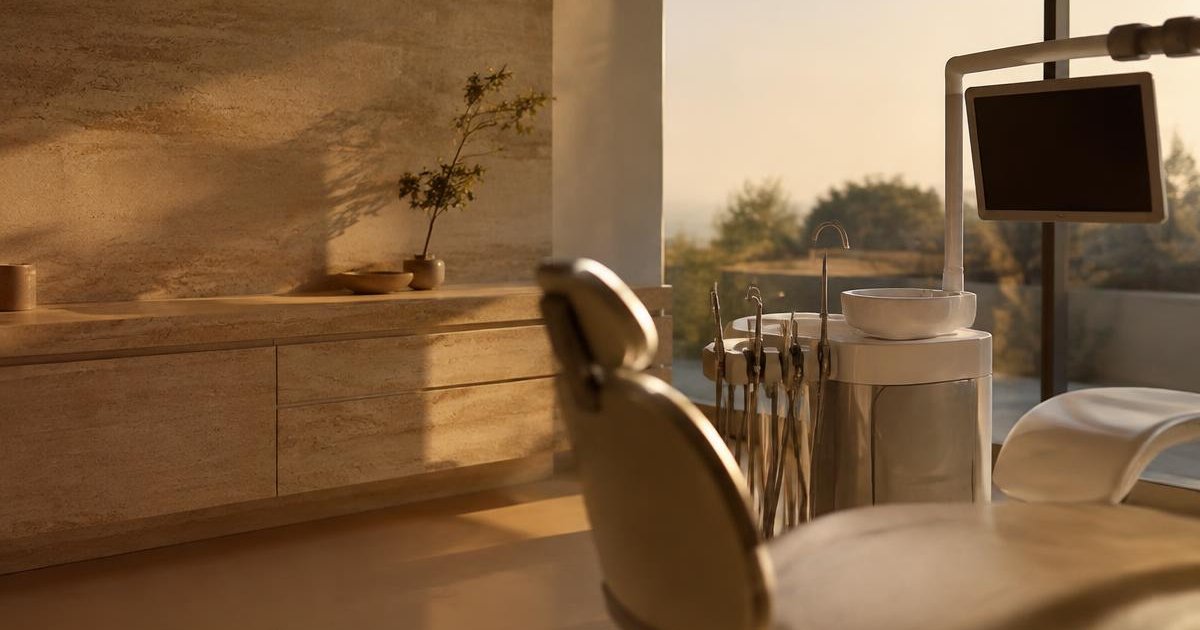
A toothache on Saturday morning can leave you wondering whether to find a dentist immediately or wait until Monday. The right choice depends on your symptoms—not simply how long you think you can tolerate them. Some problems need prompt dental treatment, while others require a hospital emergency department.
If you are searching for a weekend emergency dentist in Los Angeles, Dr. Coby Sheily DDS has office hours Friday through Sunday, 10 AM–4 PM Pacific. You can request a weekend appointment, but a booking request does not confirm immediate availability. Severe or worsening symptoms should not wait for an appointment response.
1. First, decide whether you need emergency medical care
Call 911 or go to an emergency department for swelling that interferes with breathing or swallowing, rapidly spreading swelling, or uncontrolled bleeding. Do not wait for weekend opening hours or a dental booking confirmation.
For a suspected dental abscess—such as tooth or gum pain with swelling, drainage, a bad taste, or fever—seek urgent dental evaluation. An abscess is an infection that needs treatment; it does not reliably resolve because pain decreases or pus drains. The NHS guidance on dental abscesses explains why urgent assessment matters.
Emergency departments can assess dangerous swelling, bleeding, and other medical complications. They generally do not provide the definitive dental treatment needed to repair a tooth or remove the source of infection. Follow-up dental care may still be necessary after medical stabilization.
2. What weekend appointment availability makes possible
Weekend hours offer a practical option when dental symptoms appear after the traditional workweek. They can also make it easier to attend an evaluation without missing weekday work, school, or caregiving responsibilities.
A timely visit may help identify whether pain comes from decay, a cracked tooth, gum inflammation, or another condition. It can also distinguish a problem that needs treatment promptly from one that can safely be scheduled later.
However, weekend availability does not mean every procedure can be completed that day. Treatment depends on the examination, any necessary imaging, the complexity of the problem, and available appointment time. Sometimes the first visit focuses on diagnosis and stabilization, followed by a separate treatment visit or referral.
3. Which dental problems should be assessed promptly?
Contact a dental office promptly for guidance if you have:
- Persistent or worsening tooth pain, especially pain that interrupts sleep.
- New gum or facial swelling, drainage, or a suspected abscess.
- A broken tooth with pain, a sharp edge, or visible internal damage.
- A lost filling or crown that leaves the tooth sensitive or difficult to use.
- A knocked-out or displaced permanent tooth.
- Pain or bleeding after dental treatment that is worsening or not following your aftercare instructions.
A knocked-out permanent tooth is particularly time-sensitive. Handle it by the crown—the chewing portion—not the root. If dirty, gently rinse it without scrubbing. If you can easily return it to its socket, do so; otherwise, keep it moist in milk while seeking immediate dental care. Do not reinsert a baby tooth. The ADA’s dental emergency guidance provides additional first-aid information.
A small, painless chip may be less urgent, but only an assessment can determine the extent of damage.
4. How to arrange care outside traditional office hours
Start by checking your usual dentist’s voicemail or website for after-hours instructions. If the office is unavailable, contact another dental provider with confirmed opening hours. Explain the symptoms before discussing scheduling convenience.
Useful details include when the problem started, whether swelling is increasing, whether you have fever, and whether an injury occurred. Mention recent dental procedures, medical conditions, and medications that may affect treatment.
Dr. Coby Sheily DDS is located at 4852 Melrose Avenue, Los Angeles, CA 90029, and is open Friday–Sunday, 10 AM–4 PM Pacific; Monday–Thursday closed. You can request an appointment for dental evaluation or contact hello@drcobysheily.com for nonurgent questions. Email is not a substitute for urgent assessment.
A $150 reservation deposit is credited toward treatment, and the practice has a 48-hour cancellation policy. If symptoms require urgent attention and an appointment is unavailable, seek another dental provider rather than waiting for this office to reopen.
5. What you can safely do while arranging treatment
Temporary measures can reduce irritation, but they do not repair a damaged tooth or treat the source of an infection.
- Gently rinse your mouth with warm water and keep the area clean.
- Choose soft foods and avoid chewing on the affected side.
- Avoid very hot, cold, or sugary foods if they trigger discomfort.
- Use a cold compress against the outside of the cheek after an injury or for swelling.
- If considering an over-the-counter pain reliever, follow the label and ask a pharmacist about suitability, interactions, or medical restrictions.
Do not put aspirin directly on a tooth or gum: it can injure the tissue. Do not drill a tooth, use household glue, pop an abscess, or take leftover antibiotics. If a crown comes off, save it and bring it to the visit rather than attempting to glue it back yourself.
Pain relief is temporary support—not evidence that the underlying problem has resolved.
6. What an emergency dental visit may involve
An emergency dentistry evaluation typically begins with your symptoms, health history, and an examination. Dental X-rays may be needed to understand decay, root involvement, or injury that is not visible from the surface.
Treatment varies. A cavity may need a filling; a damaged tooth may need protection with a crown. An infected tooth may require root canal treatment or extraction, depending on whether it can be restored. Antibiotics may be appropriate in certain circumstances, but they do not replace treatment of the infection’s source.
Conservative repair is not suitable for every tooth. Similarly, same-day crowns are an option only when clinically appropriate and available. Ask what must be addressed now, what can wait, and what alternatives exist before deciding on treatment.
7. Three common weekend dental questions
Can I wait until Monday if pain medicine helps?
Not necessarily. Pain relief can mask symptoms without addressing the cause. Persistent pain, swelling, fever, drainage, or an injury warrants prompt dental advice. Breathing or swallowing trouble, rapidly spreading swelling, or uncontrolled bleeding requires emergency medical care now.
Should I go to the ER for a severe toothache without swelling?
A dentist is generally the best starting point for tooth pain because dental treatment addresses the cause. Seek prompt dental evaluation rather than simply enduring severe pain. If you develop emergency warning signs, go to the emergency department or call 911.
Can a dentist finish all treatment during a weekend visit?
Sometimes, but it cannot be promised before evaluation. The first visit may relieve symptoms or protect the tooth, with definitive treatment scheduled separately. The dentist should explain the immediate plan, limitations, and follow-up needs.
8. Make the safest next step your priority
Weekend appointments can reduce the gap between a new dental problem and professional assessment. The key is to match your response to your symptoms: seek prompt dental care for persistent pain or suspected infection, and emergency medical care for dangerous swelling or uncontrolled bleeding.
While arranging care, protect the tooth, avoid unsafe home repairs, and remember that temporary improvement does not necessarily mean the problem is gone.
Educational information, not a diagnosis or a substitute for an examination. Treatment suitability and outcomes vary.
Your Smile Deserves Thoughtful Care.
Experience personalized dentistry with Dr. Coby Sheily in Los Angeles.
Book an Appointment