Emergency Dentistry
Emergency Dentist in Los Angeles: When Should You Seek Immediate Care?
Severe tooth pain, swelling, and dental injuries should not be ignored. Learn which symptoms need urgent dental evaluation, when to seek emergency medical help, and what to do while arranging care.
Published · Updated
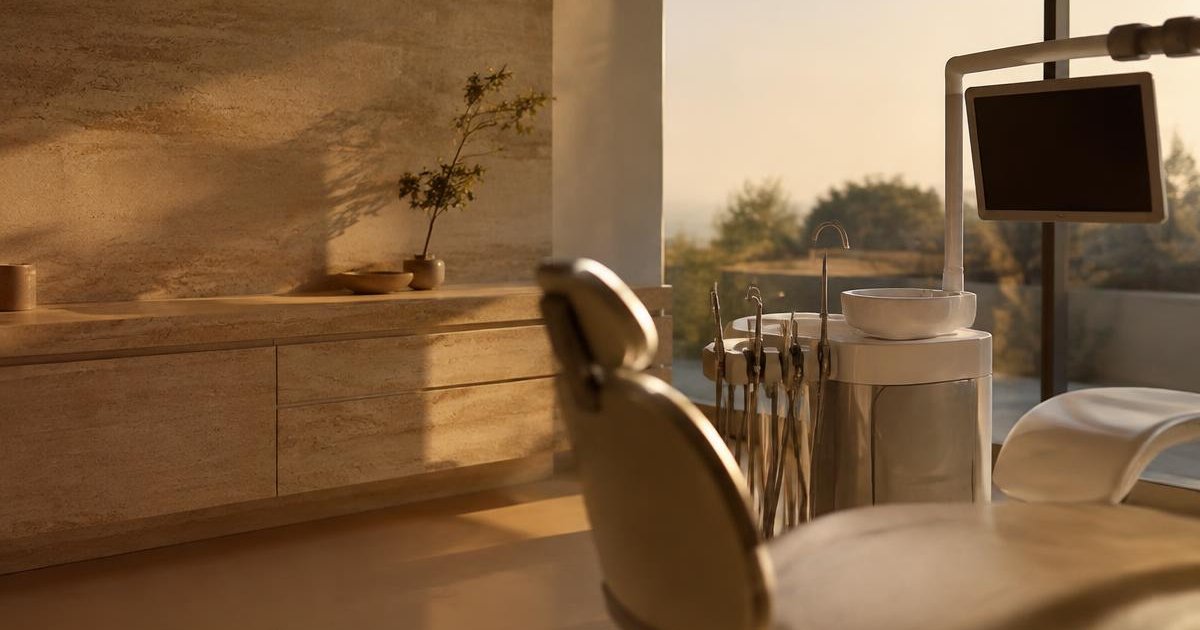
A toothache that interrupts sleep, a broken tooth during dinner, or sudden gum swelling can leave you wondering whether treatment can wait. The important distinction is not simply how much something hurts: certain infections and injuries need prompt attention even when pain is manageable.
If you are searching for an emergency dentist in Los Angeles, start by checking for the warning signs below. For concerns without medical emergency symptoms, you can request a dental appointment, but an online request does not confirm immediate availability. Do not wait for a reply when symptoms require urgent care.
1. When to Go to the Emergency Department
Some dental problems become medical emergencies. Call 911 or go to the nearest emergency department if you have:
- Swelling that makes breathing or swallowing difficult.
- Rapidly spreading swelling of the face, mouth, or neck.
- Bleeding that remains uncontrolled despite firm pressure with clean gauze.
A serious facial injury, particularly with possible jaw damage or loss of consciousness, also warrants emergency medical assessment.
An emergency department can address dangerous swelling, bleeding, or trauma, although definitive tooth treatment may still require a dentist. Do not wait for a dental office to open or for pain medicine to work when these warning signs are present.
2. Severe Tooth Pain: When It Cannot Wait
Seek urgent dental evaluation for severe, persistent, or worsening tooth pain—especially pain that disrupts sleep, interferes with eating, or occurs with swelling or fever. Possible causes include deep decay, a crack, or inflammation or infection inside a tooth. Symptoms alone cannot establish the diagnosis.
Brief sensitivity to cold that stops quickly may be less urgent, but recurring or lingering sensitivity still deserves an examination. A toothache that suddenly improves is not proof that the underlying problem has healed.
While arranging care, gently rinse with warm water. If food is visibly trapped between teeth, careful flossing may help; do not dig into the gum with sharp objects. Any nonprescription pain medicine should be used only according to its label and pharmacist advice. Never place aspirin directly against a tooth or gum, because it can damage the tissue.
3. Swelling, Abscesses, and Dental Infection
An abscess is a collection of pus caused by infection. Possible signs include a swollen gum, facial swelling, intense toothache, a bad taste, fever, or a small bump near a tooth. Not every abscess causes severe pain.
A suspected abscess needs urgent dental evaluation. It will not reliably resolve on its own, even if it drains and feels better. Swelling with fever or feeling generally unwell makes prompt assessment particularly important. Breathing or swallowing trouble and rapidly spreading swelling require emergency medical care.
Treatment addresses the source of infection and may involve drainage, root canal treatment, or extraction. Antibiotics may be appropriate in some circumstances, but they do not replace necessary dental treatment.
Do not squeeze or pop a gum swelling, attempt to drain it, or take leftover antibiotics. These actions can cause harm or delay effective care.
4. Broken, Loose, or Knocked-Out Teeth
A broken tooth needs timely assessment. Seek urgent care if the break causes significant pain, bleeding, a loose tooth, or difficulty closing your bite. A small, painless chip may be less urgent, but an examination can identify damage that is not visible at home.
Save any broken pieces, rinse your mouth gently, and use a cold compress outside the face for swelling. Avoid chewing on the injured side. Do not file, drill, or glue the tooth yourself.
If a permanent tooth is knocked out
Act immediately: prompt dental treatment offers the best chance of saving it.
- Pick it up by the crown—the chewing surface—not the root.
- If dirty, rinse it gently with water without scrubbing or removing attached tissue.
- If possible, gently place it back in its socket without forcing it and hold it in position.
- If reinsertion is not possible, keep it moist in milk or a tooth-preservation solution while seeking immediate dental care.
Do not reinsert a knocked-out baby tooth. Seek prompt dental guidance instead. If other injuries are serious, prioritize emergency medical care.
5. Lost Fillings, Crowns, and Less Obvious Problems
A lost filling or crown can expose sensitive tooth structure and leave a tooth vulnerable to further damage. Contact a dentist promptly; significant pain, swelling, or a fracture increases the urgency. Keep a displaced crown and bring it to the appointment. Do not use household glue to reattach it.
Avoid hard or sticky foods and chew on the opposite side until assessed. A painless chipped edge or missing restoration does not always require an emergency department visit, but postponing care indefinitely can allow the problem to worsen.
For stable symptoms without urgent warning signs, you can request an assessment and describe what happened. Include when symptoms began, whether there is swelling, and whether a tooth or restoration is loose. The practice's emergency dentistry information provides additional service context; appointment availability must be confirmed.
6. What Treatment Might Involve
An urgent visit typically focuses on identifying the cause, managing the immediate problem, and deciding what treatment is needed. A dentist may examine the tooth, test its response and bite, and recommend X-rays when appropriate.
Treatment depends on how much healthy structure remains and whether the inner pulp is affected:
- A filling or bonding may repair limited damage.
- A crown may protect a more extensively weakened tooth. Same-day crowns are an option only when clinically appropriate and available.
- Root canal treatment may preserve a tooth with inflamed or infected pulp.
- Extraction may be necessary when a tooth cannot reasonably be restored.
Conservative repairs are not suitable for every injury or infection. An initial visit may provide stabilization rather than complete treatment, and follow-up may be necessary.
7. Three Common Questions About Urgent Dental Care
Can I wait until the weekend if my face is swollen?
Do not wait for weekend opening if you suspect an abscess. Seek urgent dental evaluation through an available provider. If swelling spreads rapidly or affects breathing or swallowing, call 911 or go to an emergency department.
Does a toothache always mean I need an extraction?
No. Some teeth can be treated with a filling, crown, or root canal treatment. The appropriate option depends on the diagnosis, remaining tooth structure, and supporting tissues—not pain intensity alone.
What should I know before requesting an appointment here?
Dr. Coby Sheily DDS is at 4852 Melrose Avenue, Los Angeles, CA 90029. Hours are Friday–Sunday, 10 AM–4 PM Pacific; the practice is closed Monday–Thursday. A $150 reservation deposit is credited toward treatment, and a 48-hour cancellation policy applies. Nonurgent questions can be emailed to hello@drcobysheily.com. Neither email nor online booking should be used to wait out an emergency.
8. The Safest Next Step
Severe pain, suspected infection, and significant tooth injuries deserve prompt professional attention. Breathing or swallowing difficulty, rapidly spreading swelling, and uncontrolled bleeding require emergency medical care. When a problem is less urgent, arrange an examination rather than relying on temporary relief. Early assessment helps clarify what can be repaired, what needs immediate treatment, and what can safely be planned.
Educational information, not a diagnosis or a substitute for an examination. Treatment suitability and outcomes vary.
Your Smile Deserves Thoughtful Care.
Experience personalized dentistry with Dr. Coby Sheily in Los Angeles.
Book an Appointment