Cosmetic Dentistry
Porcelain Veneers vs. Composite Bonding: Which Is Right for You?
Porcelain veneers and composite bonding can both improve a smile, but they differ in tooth preparation, appearance, maintenance, and cost. Here is how to weigh the trade-offs.
Published · Updated
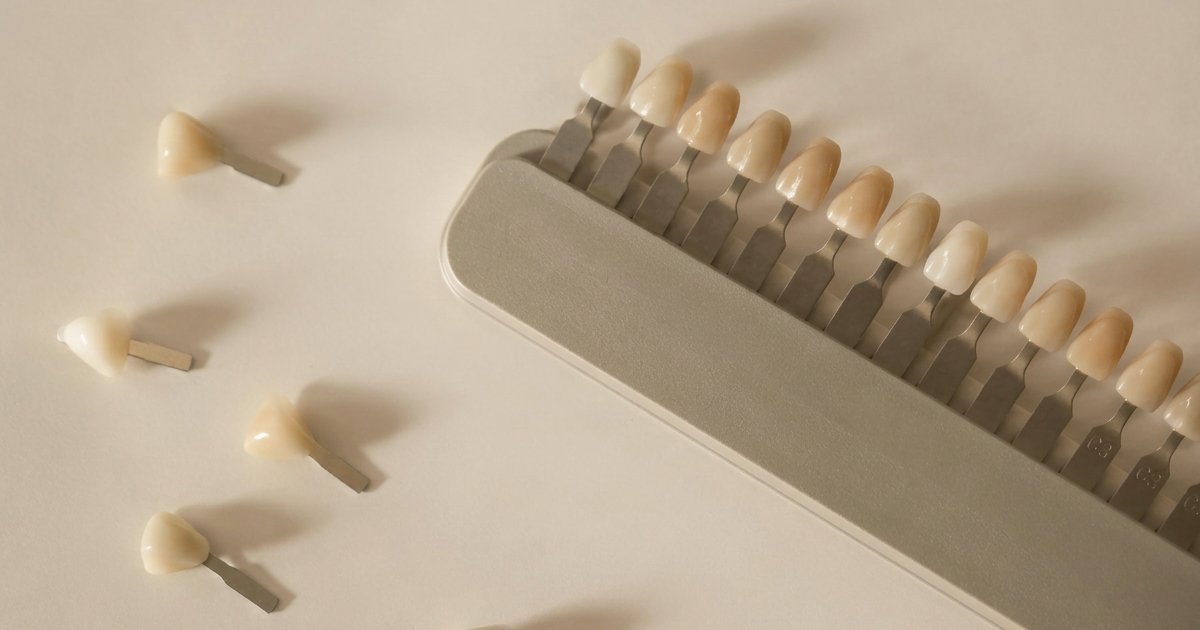
A small chip and a full-smile color change may call for very different treatments. Porcelain veneers and composite bonding can both improve the appearance of teeth, but choosing between them involves more than selecting a material. The amount of healthy enamel, your bite, your goals, and your willingness to maintain restorations all matter.
If you are comparing veneers vs bonding in Los Angeles, start with a diagnosis rather than a package of cosmetic procedures. You can book a consultation with Dr. Coby Sheily DDS to discuss which changes are realistic and what each option would involve.
1. What is the difference between veneers and bonding?
Porcelain veneers are thin, custom-made ceramic coverings bonded to the front surfaces of teeth. They can change color, shape, proportion, and selected aspects of alignment. Treatment typically involves planning, tooth preparation when needed, fabrication, and bonding.
Composite bonding uses tooth-colored resin applied directly to a tooth. The dentist shapes, hardens, and polishes the material to repair or reshape selected areas. Bonding may cover only a chipped edge or a broader portion of the tooth.
The distinction is not simply “permanent versus temporary.” Both become part of your ongoing dental care, and neither lasts indefinitely. Porcelain usually offers greater color stability; composite is often easier to modify or repair directly.
2. Which concerns does each treatment address?
Composite bonding is often worth considering for a small chip, a narrow gap, an uneven edge, or a limited shape correction. In suitable cases, it can add material without substantial removal of healthy enamel.
Porcelain veneers may be considered when several visible teeth need coordinated changes, particularly when color, proportions, and surface appearance all need attention. They can also mask certain discolorations that whitening does not adequately improve.
Neither option should conceal an untreated dental problem. Decay, gum inflammation, unexplained pain, and damaged existing restorations need evaluation first. A tooth with extensive structural loss may need a different restoration, such as a crown, rather than a cosmetic covering.
Bite relationships also matter. Heavy contact on front teeth, grinding, or certain tooth positions can increase the risk of chipping or debonding. These factors may change the treatment plan or make either option unsuitable.
3. How do appearance and tooth preparation compare?
Porcelain can reproduce translucency and subtle surface characteristics while resisting staining better than composite. That can be valuable when changing several teeth together. Composite can also look natural, especially for localized repairs, but its appearance depends on careful shade selection, layering, shaping, and polishing.
Neither material automatically produces a better smile. Tooth proportions, gum health, bite function, and the amount of material needed all influence the result. Very dark underlying teeth can be challenging to mask without increasing thickness or opacity.
The preparation trade-off deserves particular attention. As the ADA explains about veneers, treatment may require enamel removal and may not be reversible. “No-prep” veneers are not appropriate for every tooth; adding material without enough space can create an overly bulky result.
Bonding often needs less preparation, but it is not automatically reversible or damage-free. Removing bonded resin later can affect the underlying tooth, and some situations still require shaping.
4. How long do they last, and what maintenance is needed?
Porcelain generally offers better long-term stain resistance and often greater longevity than direct composite. However, there is no dependable expiration date for either treatment. Bite forces, restoration size, oral hygiene, grinding, and habits all affect performance.
Composite may gradually lose polish, discolor, wear, or chip. It can often be repolished or repaired without replacing the entire restoration. Porcelain can also chip or detach; repairs are more limited, and some failures require replacement.
To care for either option:
- Brush twice daily with fluoride toothpaste and clean between teeth daily.
- Avoid chewing ice, biting nails, or using teeth to open packaging.
- Attend examinations and cleanings at intervals recommended for your oral health.
- Discuss a protective appliance if grinding or clenching is identified.
- Have a new rough edge, looseness, or bite change assessed rather than adjusting it yourself.
Restorations do not prevent decay in the remaining tooth. The NIDCR oral hygiene guidance explains why daily plaque removal remains essential.
5. What affects the cost?
Composite bonding often costs less initially because it is placed directly and generally involves fewer fabrication steps. Porcelain veneers typically require more planning, preparation, and custom fabrication. Actual fees depend on the number of teeth, complexity, existing restorations, and any treatment needed beforehand.
Compare the total care plan, not just a per-tooth figure. Ask whether the estimate includes preliminary treatment, temporary restorations if needed, follow-up adjustments, and protective appliances when recommended. Also discuss how future polishing, repairs, or replacement would be handled.
For an individualized comparison, reserve a consultation. The practice requires a $150 reservation deposit credited to treatment and has a 48-hour cancellation policy. The deposit is not a quote for veneers or bonding.
6. When might another approach be better?
If tooth shape is satisfactory and the main concern is natural tooth color, whitening may be a more conservative first step. However, whitening does not change the color of veneers, bonding, or other restorations. Planning the sequence matters when combining treatments.
For crowding, rotated teeth, or certain gaps, orthodontic treatment can move teeth rather than cover their position. It takes time and requires retention afterward, but may reduce the need for cosmetic preparation. This is a general alternative to discuss, not an indication that orthodontic treatment is provided here.
Small contour adjustments or simply monitoring a harmless cosmetic variation may also be reasonable. Conservative options are not suitable for everyone, particularly when teeth are weakened, discoloration is substantial, or the bite limits what can safely be added.
7. Three common questions
Can bonding close a gap between my front teeth?
Sometimes. The gap size, tooth proportions, gum contours, and bite determine whether adding resin will look balanced and function well. A larger gap may require an orthodontic assessment rather than increasingly wide bonded teeth.
Can I try bonding before committing to porcelain veneers?
In some cases, yes, but bonding is not a consequence-free trial. Placement and later removal may alter tooth surfaces. Ask whether photographs, a diagnostic mock-up, or another planning method could help clarify your goals before treatment.
If a veneer chips, does the whole tooth need a crown?
Not necessarily. A small defect may be polished or repaired, while a larger fracture may require veneer replacement. A crown is considered according to the remaining tooth structure and other clinical findings—not simply because a veneer has chipped.
8. Choosing the right level of change
Bonding may be a strong starting point for a limited correction when preserving tooth structure is the priority. Porcelain may better suit broader aesthetic changes when its preparation requirements, maintenance, and replacement implications are acceptable.
The best choice is the least invasive approach that can predictably address your goals without compromising dental health. A useful consultation should leave you understanding what will change, what will remain unchanged, and how you will care for the result.
Educational information, not a diagnosis or a substitute for an examination. Treatment suitability and outcomes vary.
Your Smile Deserves Thoughtful Care.
Experience personalized dentistry with Dr. Coby Sheily in Los Angeles.
Book an Appointment