Cosmetic Dentistry
How Long Do Porcelain Veneers Last? Care, Maintenance, and Expectations
Porcelain veneers can last many years, but they are not lifetime restorations. Learn what influences their durability, how to protect them, and what future maintenance may involve.
Published · Updated
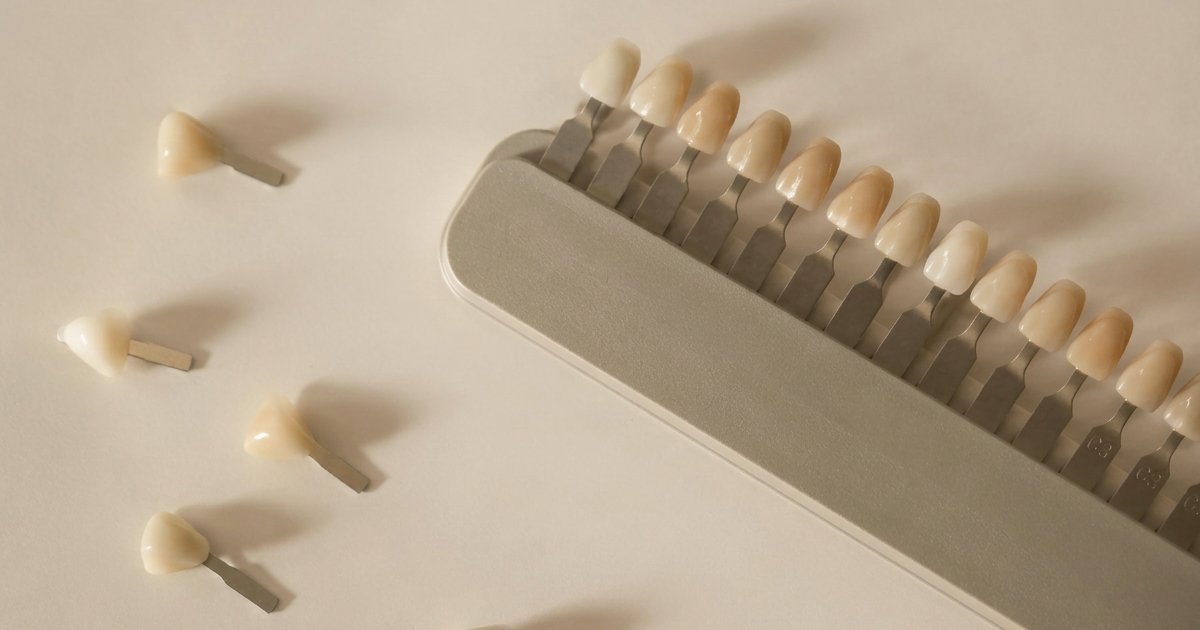
Porcelain veneers can change the color, shape, and proportions of visible teeth, but choosing them also means planning for long-term care. If you are asking how long do veneers last, a useful planning estimate is often around 10–15 years for porcelain veneers. Some last longer; others need attention sooner. That range is not a promise or an expiration date.
Longevity depends on the tooth underneath, the bite, daily habits, and how well the restoration remains sealed and supported. Before deciding, it helps to understand both the cosmetic possibilities and the ongoing commitment. You can book a consultation with Dr. Coby Sheily DDS to discuss whether veneers fit your teeth and goals.
1. What veneer longevity really means
A porcelain veneer is a thin, custom-made covering bonded to the front of a tooth. Unlike a crown, which covers more of the tooth, a veneer primarily changes its visible front surface.
A veneer can remain intact yet eventually need replacement because of decay, gum recession, or a change in the underlying tooth. Conversely, a small imperfection does not automatically mean the whole veneer must be replaced.
Veneers are not lifetime restorations. If you receive them early in adulthood, it is reasonable to expect that some may need replacement during your lifetime. Multiple veneers also may not age at the same rate.
The American Dental Association’s veneer overview explains their uses, preparation, and care considerations. An examination is necessary to turn general expectations into an individual treatment plan.
2. What helps porcelain veneers last longer?
Several factors influence durability beyond the porcelain itself:
- Healthy supporting teeth: Active decay or weakened tooth structure can compromise the result.
- Available enamel: Bonding to enamel is an important consideration when assessing whether veneers are suitable.
- A balanced bite: Heavy or uneven contact can concentrate stress on a veneer’s edge.
- Healthy gums: Inflammation or recession can affect comfort, cleaning, and the appearance of the margins.
- Clenching and grinding: Repeated heavy forces can contribute to chips, fractures, or debonding.
- Consistent maintenance: Regular examinations can identify changes before they become more extensive.
A thorough assessment should look beyond tooth color and shape. Your dentist also needs to consider how your teeth meet, existing fillings, wear patterns, and habits such as nail biting. A cosmetic design must function comfortably as well as look attractive.
3. Daily care that protects your investment
Porcelain cannot develop a cavity, but the natural tooth around and beneath it can. Plaque control remains essential, particularly where the veneer meets the tooth near the gumline.
Brush twice daily with fluoride toothpaste and a soft-bristled toothbrush. Clean between teeth every day with floss or another interdental cleaner suited to your spaces. Ask your dentist about technique if floss catches or shreds around a veneer rather than avoiding that area.
Avoid chewing ice, biting pens, or using your teeth to open packaging. Cut hard foods into manageable pieces rather than repeatedly placing strong force on the edges of veneered front teeth. You should not need an all-soft diet, but porcelain is not indestructible.
Porcelain generally resists staining better than natural enamel, yet surface deposits and discoloration around margins can still occur. Frequent sugary snacks and drinks also increase decay risk around the underlying teeth. The NIDCR guide to tooth decay explains why fluoride and limiting repeated sugar exposure matter.
4. Professional maintenance and protection
Keep examination and cleaning appointments at the interval recommended for your oral health. Your dentist can check veneer edges, gum health, bite contacts, and signs of decay; X-rays may be recommended when clinically indicated.
If you grind or clench, a dentist may recommend a protective night guard. It can help protect restorations from wear and heavy forces, but it does not guarantee that a veneer will never fracture or necessarily stop grinding. A sports mouthguard serves a different purpose and may be appropriate for activities with a risk of facial impact.
Bring up new jaw soreness, sensitivity, or a bite that suddenly feels different. If you already have veneers and are unsure about their condition, schedule a veneer assessment rather than assuming they need replacement solely because of their age.
5. Possible complications and warning signs
Some sensitivity can occur after tooth preparation and placement. Persistent, worsening, or spontaneous pain needs assessment rather than being treated as a normal part of having veneers.
Other potential problems include:
- Chipping or fracture: Damage may range from a small edge defect to a break requiring replacement.
- Debonding: A veneer may loosen or come off, sometimes because of bite stress or changes in the tooth.
- Decay at the margins: The natural tooth remains vulnerable even when the porcelain looks intact.
- Gum recession: An exposed margin or root surface can change the appearance of the smile.
- Color mismatch: Natural teeth may darken while porcelain retains its original shade.
Seek prompt dental advice for a loose veneer, new pain, or a rough edge that injures your mouth. Do not glue a veneer back yourself. A suspected abscess requires urgent dental evaluation. Swelling with trouble breathing or swallowing, rapidly spreading swelling, or uncontrolled bleeding requires 911 or emergency-department care; do not wait for weekend opening hours.
6. Repair, replacement, and future costs
Not every damaged veneer needs the same solution. A small chip may sometimes be smoothed or repaired with composite resin, although a repair may not match the original porcelain’s appearance or durability. An intact veneer that comes off may sometimes be rebonded after the dentist evaluates the tooth and the reason it detached.
Significant fractures, decay, or poorly fitting margins may require replacement. If substantial tooth structure has been lost, a different restoration may be necessary.
Ask what future maintenance could involve, including whether replacing one veneer might create a shade-matching challenge beside older restorations. Treatment and replacement fees vary with the clinical situation. A written plan should distinguish the initial treatment from possible future repairs or replacements.
7. Expectations and alternatives before committing
Porcelain veneers commonly require removal of some enamel. That preparation is irreversible, and prepared teeth generally need ongoing restorative coverage. Minimal-preparation approaches are not suitable for everyone.
Depending on your concerns, alternatives may include:
- Whitening for discoloration in natural teeth. It does not change the color of existing veneers, crowns, or fillings.
- Composite bonding for selected chips, gaps, or shape changes, sometimes with less tooth preparation. Composite can stain or wear and may need more maintenance.
- Orthodontic treatment to move teeth when alignment is the main issue. Suitability and treatment options require an orthodontic assessment.
- No cosmetic treatment when teeth are healthy and the expected benefit does not justify the intervention.
Conservative options cannot solve every problem, but they deserve consideration before enamel is removed.
8. Three common questions about veneer lifespan
Do veneers have to be replaced after 10 years?
No. There is no automatic replacement deadline. A comfortable, intact veneer with healthy supporting tissues may remain serviceable beyond that point. Replacement should be based on its condition, not the calendar alone.
Can I whiten veneers if they look darker?
Whitening products do not lighten porcelain. A professional cleaning may remove surface deposits, but a true shade change generally requires a different approach. Have the cause assessed before whitening nearby natural teeth, which could increase the mismatch.
Will a night guard make veneers last forever?
No. A guard may reduce damage from heavy forces, but decay, gum changes, accidents, and material wear remain possible. It is one part of a maintenance plan, not a lifetime guarantee.
The most useful expectation is not a fixed number of years: it is a lasting result supported by healthy teeth, appropriate treatment selection, careful daily habits, and periodic reassessment. Understanding that commitment before treatment helps you decide whether veneers are the right choice.
Educational information, not a diagnosis or a substitute for an examination. Treatment suitability and outcomes vary.
Your Smile Deserves Thoughtful Care.
Experience personalized dentistry with Dr. Coby Sheily in Los Angeles.
Book an Appointment