Weekend & Local Dentistry
Friday Dental Appointments in Los Angeles: Convenient Care for Busy Schedules
Friday dental appointments can make preventive visits and planned treatment easier to fit into a busy week. Learn what to schedule, how to prepare, and when symptoms need attention sooner.
Published · Updated
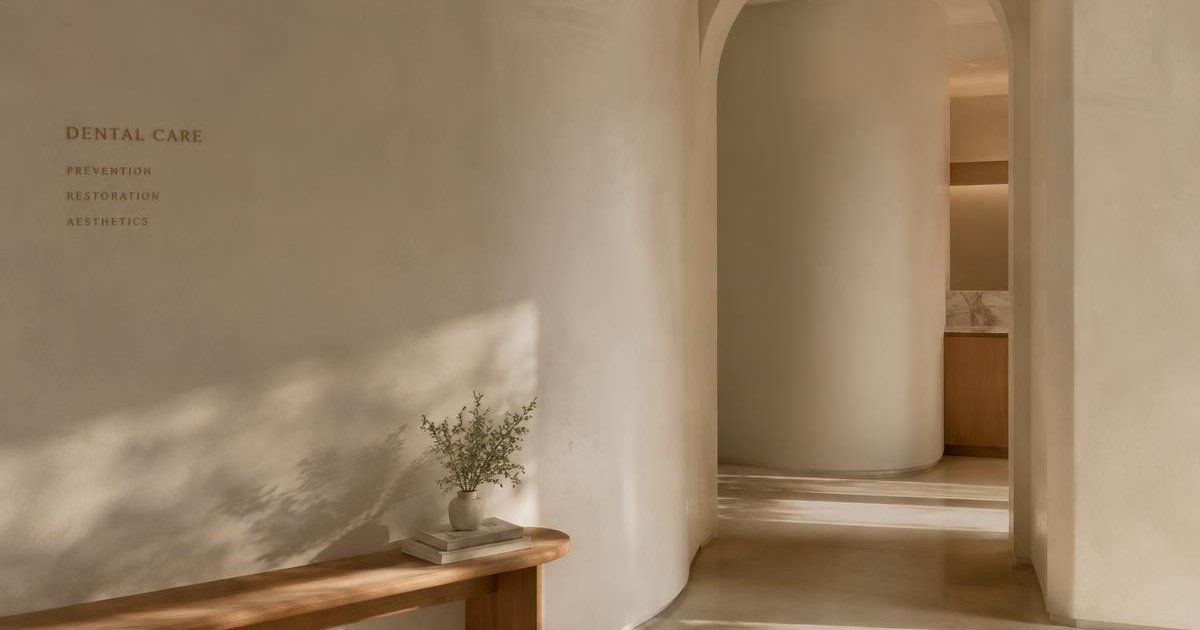
Finding time for dental care can be difficult when your calendar is full of work, family responsibilities, and commuting. Friday availability offers another way to fit care into your week—whether that means arranging a routine examination or finally addressing a tooth that has been bothering you.
If you are searching for a Friday dentist in Los Angeles, Dr. Coby Sheily DDS has office hours Friday through Sunday, 10AM–4PM Pacific, at 4852 Melrose Avenue, Los Angeles, CA 90029. The office is closed Monday through Thursday. You can request a Friday appointment and share your concerns so the office can help determine an appropriate visit. Available hours do not guarantee an immediate appointment, so planning ahead matters.
1. Why Friday Can Be a Practical Choice
For people with flexible Fridays or a lighter end-of-week workload, an appointment may be easier to arrange than one during a packed Tuesday or Wednesday. It can also leave the weekend available for following aftercare instructions if treatment is performed.
The benefit is flexibility, not a promise of a recovery-free weekend. An examination may require little disruption, while an extraction or other procedure could affect eating, exercise, travel, or social plans. Your dentist can explain what to expect before treatment begins.
Friday is also useful as a consistent scheduling anchor. If choosing the same day of the week helps you keep appointments, it may make ongoing dental care more manageable.
2. What Can You Plan for a Friday Visit?
A Friday appointment can serve several purposes, depending on your needs and the time reserved. Through general dentistry, an initial visit can help identify concerns, evaluate oral health, and establish priorities.
Reasons to request a visit include:
- A routine examination and discussion of preventive care.
- Sensitivity, discomfort when chewing, or a damaged filling.
- Bleeding gums or changes in your oral hygiene needs.
- Evaluation of a chipped or worn tooth.
- A conversation about cosmetic goals or future restorative treatment.
Tell the office your main concern when scheduling. A visit reserved for an examination may not leave enough time for every treatment you hope to complete. Dental X-rays, when indicated, and other findings may also change the plan.
Preventive care remains important between appointments: brush twice daily with fluoride toothpaste and clean between your teeth regularly. Your dentist can recommend a visit schedule based on your individual needs rather than a universal timetable.
3. Plan Around Treatment, Not Just the Appointment
It helps to distinguish between time in the dental chair and time needed afterward. Some procedures allow a relatively quick return to ordinary activities; others require more planning.
If local anesthesia is used, temporary numbness can make it easier to bite your cheek or burn your mouth with hot food or drinks. Follow the dental team's eating and drinking instructions. If sedation is planned, ask in advance about transportation, supervision, and activity restrictions.
For more involved treatment, discuss weekend commitments before scheduling. A strenuous workout, long trip, or major celebration may not fit well with the expected recovery period.
Also ask whom to contact if a problem develops after treatment, especially outside office hours. A Friday visit should come with a clear understanding of aftercare—not an assumption that all concerns can wait until the next opening.
4. Make Your Appointment Request More Useful
A little preparation helps the office understand what kind of appointment you need. When you request a visit that fits your schedule, include whether you are seeking routine care, treatment planning, or evaluation of a symptom.
Useful information includes:
- When discomfort started and whether it is getting worse.
- Whether you have swelling, a broken tooth, or pain that interrupts sleep.
- Any upcoming travel or scheduling constraints.
- Relevant medical conditions, medications, and allergies.
- Whether you have recent dental records that may be helpful.
The practice requires a $150 reservation deposit, credited toward treatment, and has a 48-hour cancellation policy. Ask about the policy's details before reserving, particularly if your work schedule changes frequently. For administrative questions, contact hello@drcobysheily.com; email is not a substitute for urgent evaluation.
5. Understand the Limits of a Single Friday Visit
Some problems can be addressed in one appointment, but convenience should not determine clinical decisions. The dentist may need to stabilize a tooth, assess gum health, or complete additional planning before recommending definitive treatment.
For example, a damaged tooth might be suitable for a filling, while more extensive damage may require a crown. Same-day crowns are an option only when clinically appropriate and available; they should not be assumed simply because you have reserved a Friday.
Cosmetic changes also deserve careful planning. Whitening does not change the color of existing fillings, crowns, or veneers. Veneers may require preparation of the teeth and can be irreversible. More conservative approaches, such as whitening or bonding, may be worth discussing, but they are not suitable for everyone.
A useful first appointment may therefore result in a thoughtful treatment plan rather than a completed transformation.
6. When Symptoms Should Not Wait Until Friday
Friday availability is helpful for planned care, but it is not a reason to postpone a potentially serious problem. A suspected dental abscess needs urgent dental evaluation. Warning signs can include significant tooth or gum pain, swelling, fever, or a bad taste associated with drainage. An abscess does not reliably resolve on its own.
If you have swelling with trouble breathing or swallowing, rapidly spreading swelling, or uncontrolled bleeding, call 911 or go to an emergency department. Do not wait for weekend opening hours.
For other acute concerns, seek prompt dental guidance. Information about emergency dentistry can help you understand common problems, but reading online cannot determine their severity.
While arranging care, use temporary medicines only according to the label or pharmacist advice. Do not place aspirin on your gums, attempt to drill or glue a tooth, pop an abscess, or take leftover antibiotics. Temporary pain relief does not treat the underlying cause.
7. Three Common Friday Appointment Questions
Can I have an examination and treatment on the same Friday?
Possibly, but it depends on the diagnosis, the treatment needed, and appointment availability. Describe your concern when booking, and do not assume an examination reservation includes time for a procedure.
Can I return to work after my appointment?
That depends on the visit and your job. A routine examination may be easy to fit into a workday. Treatment involving sedation, recovery restrictions, or significant discomfort may require time away. Ask for procedure-specific guidance beforehand.
Should I wait until Friday if my tooth starts hurting earlier in the week?
Do not choose a waiting period based only on convenience. Contact a dental professional for guidance, especially if pain persists or worsens. Suspected infection needs urgent evaluation, and breathing or swallowing difficulty with swelling requires emergency care.
8. Choose a Schedule That Supports Consistent Care
The best appointment time is one you can realistically keep without rushing treatment or ignoring recovery needs. Friday availability can make that easier, especially when you communicate your priorities, allow enough time for the visit, and understand any follow-up requirements.
Use the appointment to establish what needs attention now, what can be planned later, and how to protect your oral health between visits. Convenience is most valuable when it supports appropriate, consistent care.
Educational information, not a diagnosis or a substitute for an examination. Treatment suitability and outcomes vary.
Your Smile Deserves Thoughtful Care.
Experience personalized dentistry with Dr. Coby Sheily in Los Angeles.
Book an Appointment