Composite Bonding
Can Composite Bonding Fix Chipped or Uneven Front Teeth?
Composite bonding can repair small chips and refine uneven front teeth while preserving healthy enamel. Learn what makes a good candidate, how results are shaped, and what affects durability.
Published · Updated
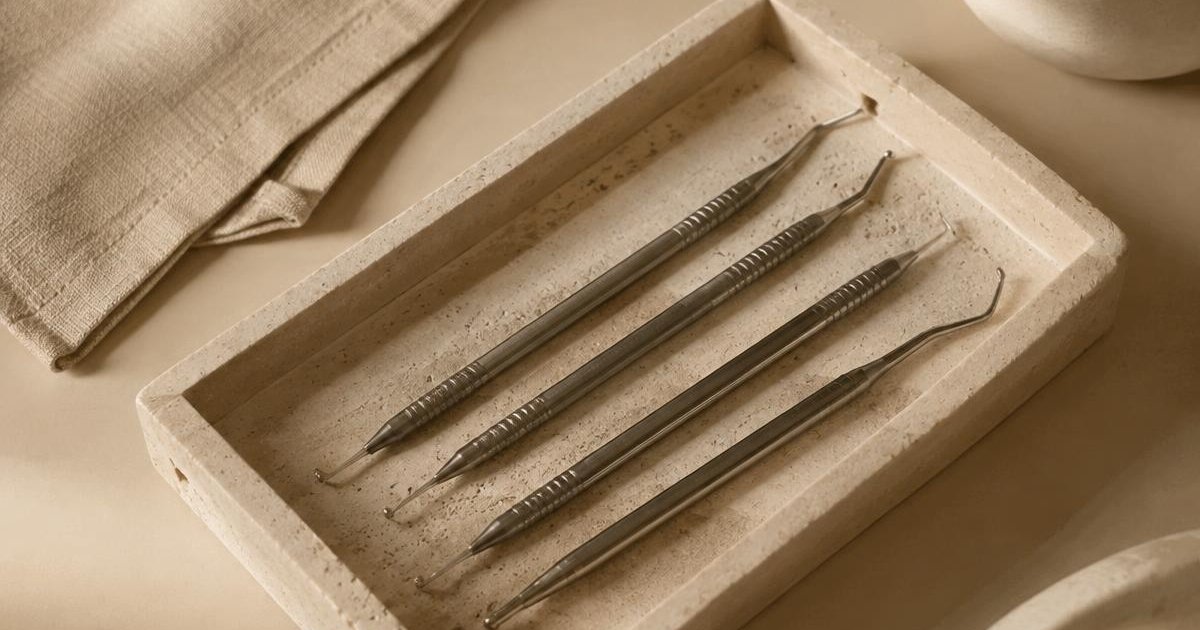
A chipped front tooth can feel surprisingly noticeable, even when the missing piece is small. An uneven edge may catch your lip, affect your smile’s symmetry, or leave you wondering whether you need a veneer or crown. In many cases, composite bonding offers a more conservative starting point—but the right repair depends on why the tooth chipped and how much healthy structure remains.
If you are researching chipped front tooth bonding in Los Angeles, an examination can help distinguish a cosmetic concern from damage that needs deeper treatment. You can book an evaluation with Dr. Coby Sheily to discuss the tooth’s health, your bite, and the changes you would like to make.
1. What composite bonding can change
Composite bonding uses tooth-colored resin attached to the tooth with an adhesive system. The dentist shapes the material, hardens it with a curing light, and polishes it to blend with the surrounding enamel.
For front teeth, bonding may help:
- Replace a small missing corner or chipped biting edge.
- Add length to a tooth that appears shorter than its neighbor.
- Refine an irregular outline or soften a minor shape discrepancy.
- Close certain small spaces between teeth.
The advantage is that treatment can often be additive: material is placed where structure is missing rather than removing substantial healthy enamel. Some surface preparation may still be necessary. Bonding is conservative, not automatically preparation-free or appropriate for every tooth.
2. First, find out why the tooth chipped
A small chip from biting something hard is different from a fracture caused by decay, an old restoration, or repeated grinding. Repairing the visible edge without addressing the cause may leave the new material vulnerable to the same forces.
An assessment may include checking the tooth for decay, cracks, sensitivity, and nerve injury; evaluating how the teeth meet; and taking X-rays when indicated. Tell the dentist whether the damage followed an accident, whether biting hurts, and whether cold sensitivity lingers.
A newly injured front tooth deserves prompt assessment even if the chip looks minor. Deeper injury is not always visible. A suspected abscess needs urgent dental evaluation. Swelling with difficulty breathing or swallowing, rapidly spreading swelling, or uncontrolled bleeding requires 911 or an emergency department. Do not wait for weekend office hours.
3. When bonding is—and is not—a good fit
Bonding is often worth considering when the defect is limited, the tooth is otherwise healthy, and enough sound enamel remains for attachment. It can be especially useful when the goal is a modest change rather than a major redesign.
It may be less predictable when:
- A large portion of the tooth is missing or weakened.
- A crack extends beyond the area that bonding can restore.
- Decay or infection needs treatment first.
- A heavy bite repeatedly loads the proposed repair.
- Significant crowding or tooth position is driving the uneven appearance.
Grinding does not automatically rule out bonding, but it changes the discussion about maintenance and protection. In general, orthodontic treatment moves teeth rather than masking their position with restorative material. For some alignment problems, that may be a better approach; this is a general treatment option, not a statement that orthodontics is provided here.
4. How a natural-looking repair is planned
An attractive repair involves more than choosing a shade labeled “white.” Front teeth have variations in color, translucency, texture, and reflection. Their proportions also need to work with the lips and neighboring teeth.
The dentist considers the tooth’s width and length, the shape of its corners, and how the repaired edge meets the opposing teeth. Adding length may improve symmetry, but too much can create an overloaded edge or an unnatural appearance.
If you are considering whitening, discuss the sequence before bonding. Whitening changes natural tooth color but does not lighten composite restorations. Whitening afterward may create a mismatch that requires polishing or replacement rather than additional bleaching.
You can explore composite bonding or schedule a consultation to compare repair options. Bringing a clear description of what bothers you—rather than only a target shade—helps keep planning focused.
5. What happens during treatment
For a suitable small chip, bonding can often be completed in one appointment, although treatment time and visit count vary. The dentist selects a shade, prepares and conditions the surface, applies adhesive and composite, and shapes the repair. After curing, the material is refined and polished, and the bite is checked.
Anesthetic may not be needed for a small enamel-only repair, but sensitivity, decay removal, or deeper work can change that. Comfort needs should be discussed individually.
Before leaving, mention any spot that feels high when you close or move your jaw. A repair should not feel as though it is taking the first or strongest contact. Persistent pain, a rough edge, or a change in your bite warrants follow-up rather than an attempt to file or glue the tooth yourself.
6. Durability: what helps bonding last?
Composite bonding is durable enough for many everyday uses, but it is not as strong as intact enamel and can chip, stain, or lose its polish. Its service life varies with the repair’s size, location, bite forces, oral habits, and maintenance. An exact lifespan cannot be promised.
Protecting it means treating the repaired edge thoughtfully:
- Avoid biting ice, pens, fingernails, or packaging.
- Cut very hard foods instead of levering them against a repaired corner.
- Brush twice daily with fluoride toothpaste and clean between teeth daily.
- Attend dental checkups so wear, decay, or rough margins can be identified.
- Ask about an appropriate guard if grinding or contact sports puts teeth at risk.
A small defect may sometimes be polished or repaired without replacing all the bonding. More extensive damage may require a different restoration.
7. How bonding compares with other options
For a tiny rough chip, careful smoothing may be enough. This removes a small amount of enamel and is unsuitable when the tooth needs added length or structural repair.
Porcelain veneers may offer greater stain resistance and broader changes in shape or color. However, porcelain veneers generally require tooth preparation and may be irreversible. They are not automatically a better choice for an otherwise healthy tooth with a minor chip.
A crown covers more of the tooth and may be considered when substantial structure is weakened or missing. It typically involves more tooth reduction than a small bonded repair. Root canal treatment is relevant when the pulp is irreversibly inflamed or infected—not simply because an edge looks uneven.
The aim is the least invasive option that reliably addresses both health and appearance, not the smallest treatment at any cost.
8. Three common questions—and the next step
Can bonding make one short front tooth match the other?
Often, yes, if adding length works with your bite. The dentist first checks whether the difference comes from wear, tooth position, or natural shape. Adding material is not always the right correction.
Will the repair be invisible?
A carefully shaped and shade-matched repair can blend well, but a completely invisible result cannot be guaranteed. Lighting, tooth translucency, and the size of the repair influence how closely it matches.
What if the bonding chips again?
Arrange an assessment. A small chip may be repairable, but repeated breakage suggests the bite, habits, or treatment design needs reconsideration. Do not use household glue or attempt to reshape it yourself.
Composite bonding can be a practical, enamel-preserving solution for chipped or uneven front teeth. The best decision starts with understanding the damage, setting realistic aesthetic goals, and planning for the forces the repair will face every day.
Educational information, not a diagnosis or a substitute for an examination. Treatment suitability and outcomes vary.
Your Smile Deserves Thoughtful Care.
Experience personalized dentistry with Dr. Coby Sheily in Los Angeles.
Book an Appointment